The diver
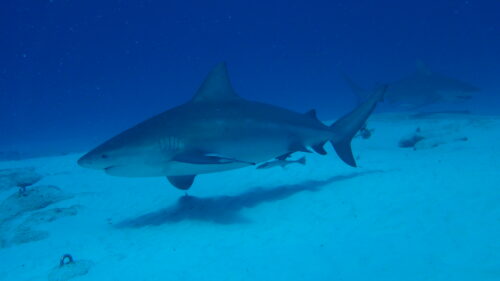
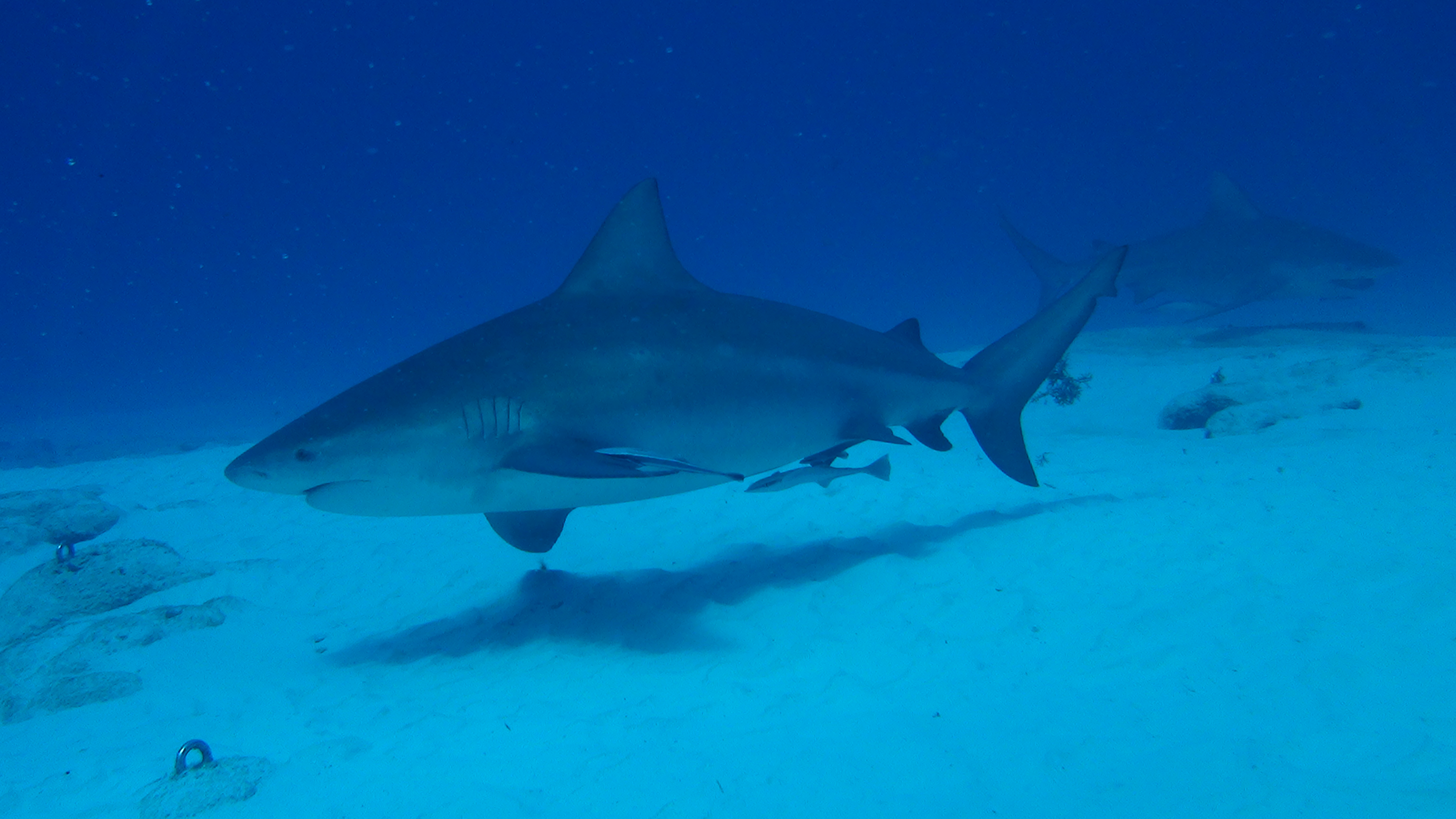
Christoph Arndt has dived with bull sharks in Mexico and explored wrecks such as HMS Thistlegorm deep down in the Red Sea. He once dived to a depth of 55 metres to see black corals off the coast of Lanzarote. His passion for diving takes him around the globe.
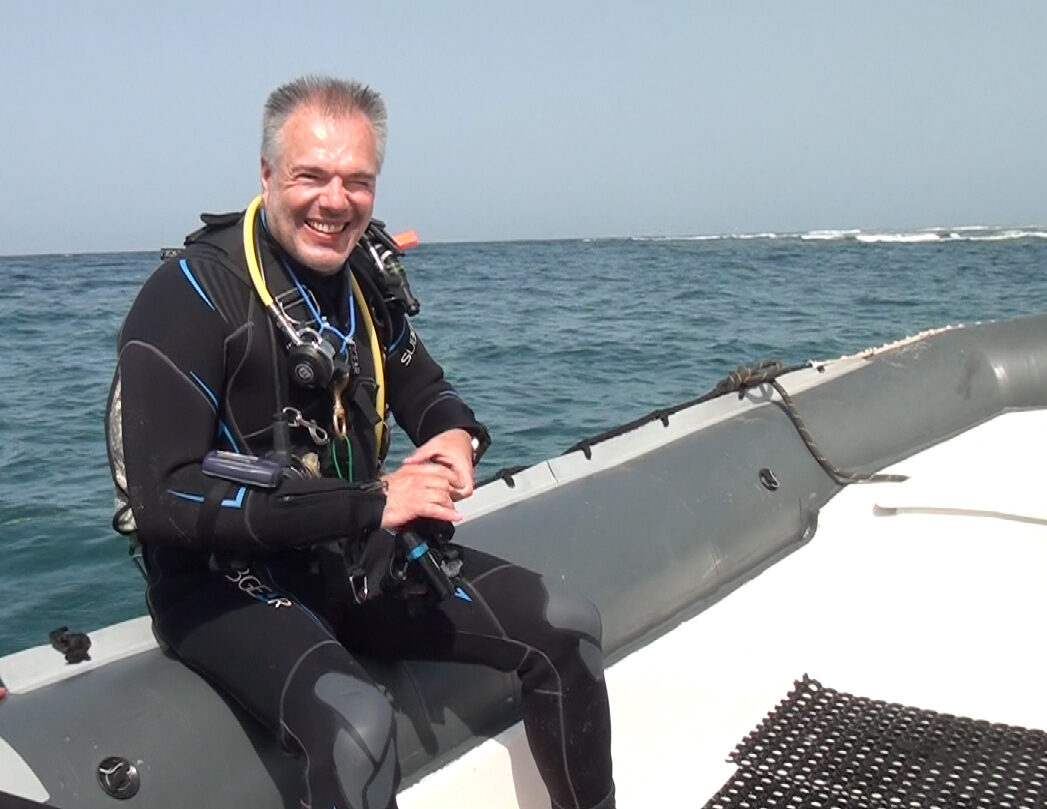
Christoph Arndt’s love affair with diving was first kindled in 1997 during a holiday in Turkey. It was boredom that prompted him to book a diving course. His new passion then took him to Egypt and Florida. “It was there that I saw a shark up close for the first time,” recalls the 57-year-old. “Observing these elegant animals in their natural habitat was fascinating.” His new hobby was initially limited to holidays. “But then I teamed up with a friend to get more fully involved with diving in Germany,” he relates. He was soon notching up 50 to 60 dives per year. Today he tries to take to the water once a month or more and for at least a few days when on holiday.
Christoph Arndt shares videos on his YouTube channels under the pseudonym “Radon Fish”. Radon, which is a radioactive noble gas, offers a clue as to his profession: he has been working at TÜV NORD for 25 years, having started out as an expert in radiation protection. He spent around 15 years accompanying the dismantling of the Würgassen nuclear power plant. Today, in his role as expert, he deals with the conditioning of radioactive waste, i.e. the processes that transform it from its raw state into a product fit for long-term storage in a repository. He has been Chairman of the Staff Council of TÜV NORD EnSys in Hanover since 2018.
As a rule, diving is very relaxing. You’re just kept busy enjoying the underwater world.
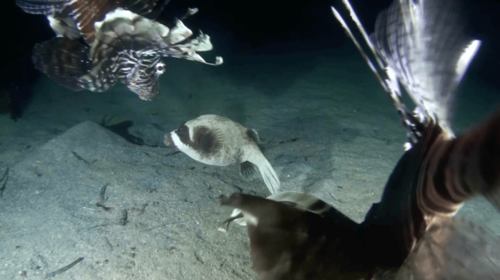
When he is diving, he always has an aim in mind. “There has to be something down there that I want to see,” he says. Off Lanzarote, he dived down 50 metres into the depths to see black corals. Whether he is diving with bull sharks in Mexico, swimming through icy water under a frozen lake surface or taking a 60 metre plunge, every dive is a special experience, he says, adding: “I prefer diving at night. You get a very focused and intense dive because all you can see is what you have in front of you in the cone of light from your torch.” This is something that smart predators like lionfish take advantage of: “They stay out of the light before pouncing on their prey in the cone.” Encounters with these predators can be painful for divers. “They have poisonous spines. Which means you have to shine the torch around you every now and then,” Mr. Arndt says from firsthand experience.
When he is diving, safety plays a major role for the expert. Over the years, he has collected licences for almost every kind of dive. To keep in shape, he cycles, runs and does spinning classes. “It’s important to be physically fit when diving.” He recalls a dicey situation when, at a depth of 35 metres, he suddenly realised that his regulator was no longer working properly. “At depths like these, you have to end the dive in a controlled manner,” he explains. 35 metres of controlled ascent can feel like an eternity. In moments like these, it’s crucial to keep calm. You check the air supply and keep an eye on how deep you are. To this end you wear a diving computer on your arm that feeds you with all the important data. “As a rule, diving is very relaxing. You’re just kept busy enjoying the underwater world,” he relates.
I prefer diving at night. You get a very focused and intense dive because all you can see is what you have in front of you in the cone of light from your torch.
It was in 2014 off the picturesque Caribbean island of Bonaire, not far from the coast of Venezuela, that Christoph Arndt experienced an incomparable natural spectacle: tiny crustaceans were rising up from the corals in their hundreds of thousands to reproduce. “This attracts other hungry sea creatures, of course,” he says. And then it really kicks off. Fish, crabs, turtles – the entire food chain, for that matter – go into a feeding frenzy. “On the way back to the point of ascent, we swam through a silver wall of fish. Predators kept hurtling into the shoal, snapping up individual fish and constantly bumping into us. It was a breathtaking spectacle.”
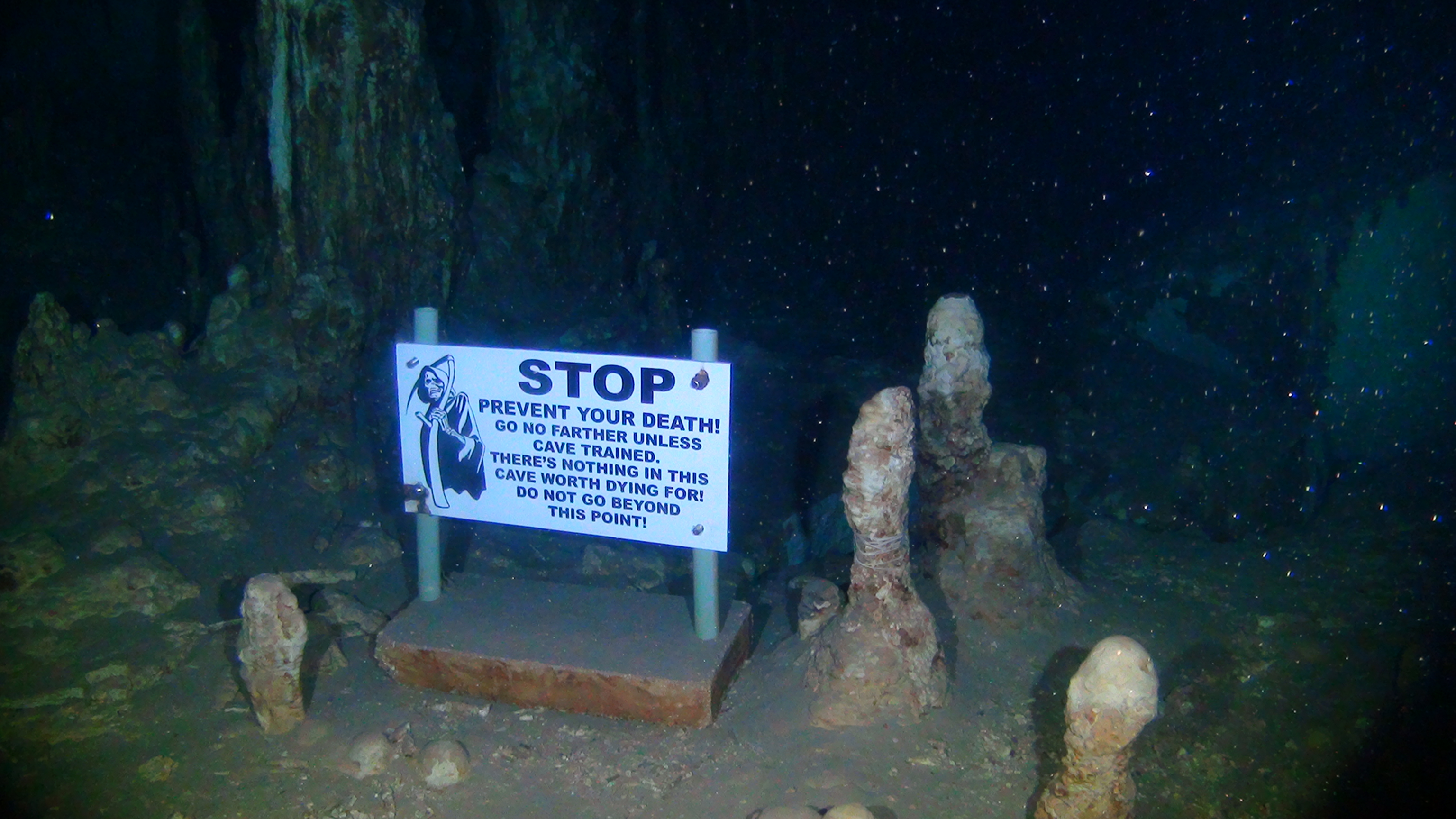
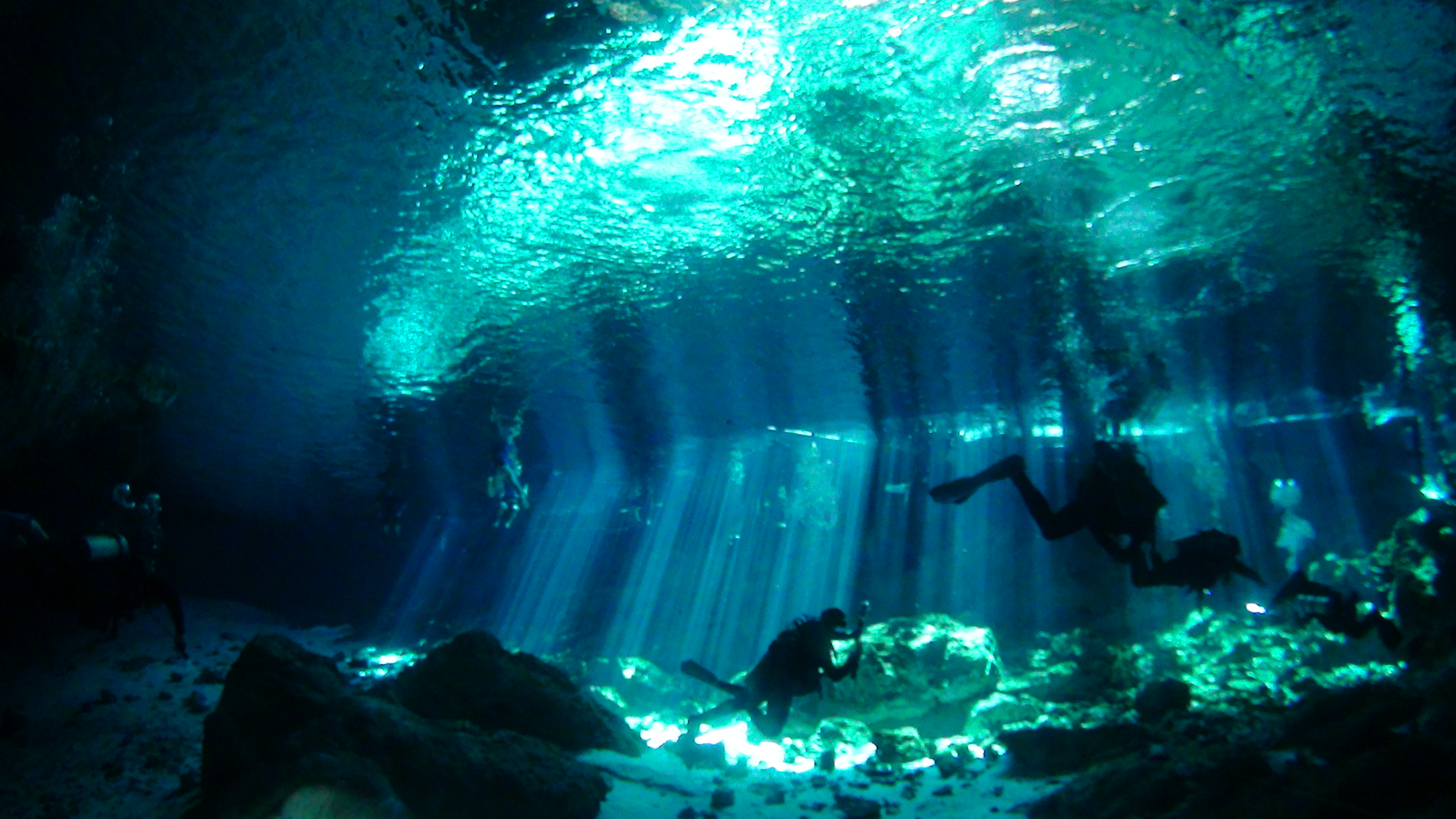
Exciting adventures are also to be had in Germany, however. In the Hemmoor chalk lake, a popular diving area between Stade and Cuxhaven, there is even a shark lurking in the depths – made of plastic, admittedly, but still worth seeing. For divers hoping to explore shipwrecks, the Kiel Fjord offers rich pickings. In the Sauerland region, Christoph Arndt once dived into a flooded slate mine. His advice for newcomers: “Lots of diving clubs offer free introductory diving sessions in indoor pools. This is a good opportunity to have a first go at the sport.” He recently made his 850th dive off Madeira, entering it into the log along with all the others. And his list of new goals is a long one: “The Pacific and East Asia are uncharted territory for me. I haven’t yet ticked Thailand, Bali, the Maldives or the Seychelles off the list.”