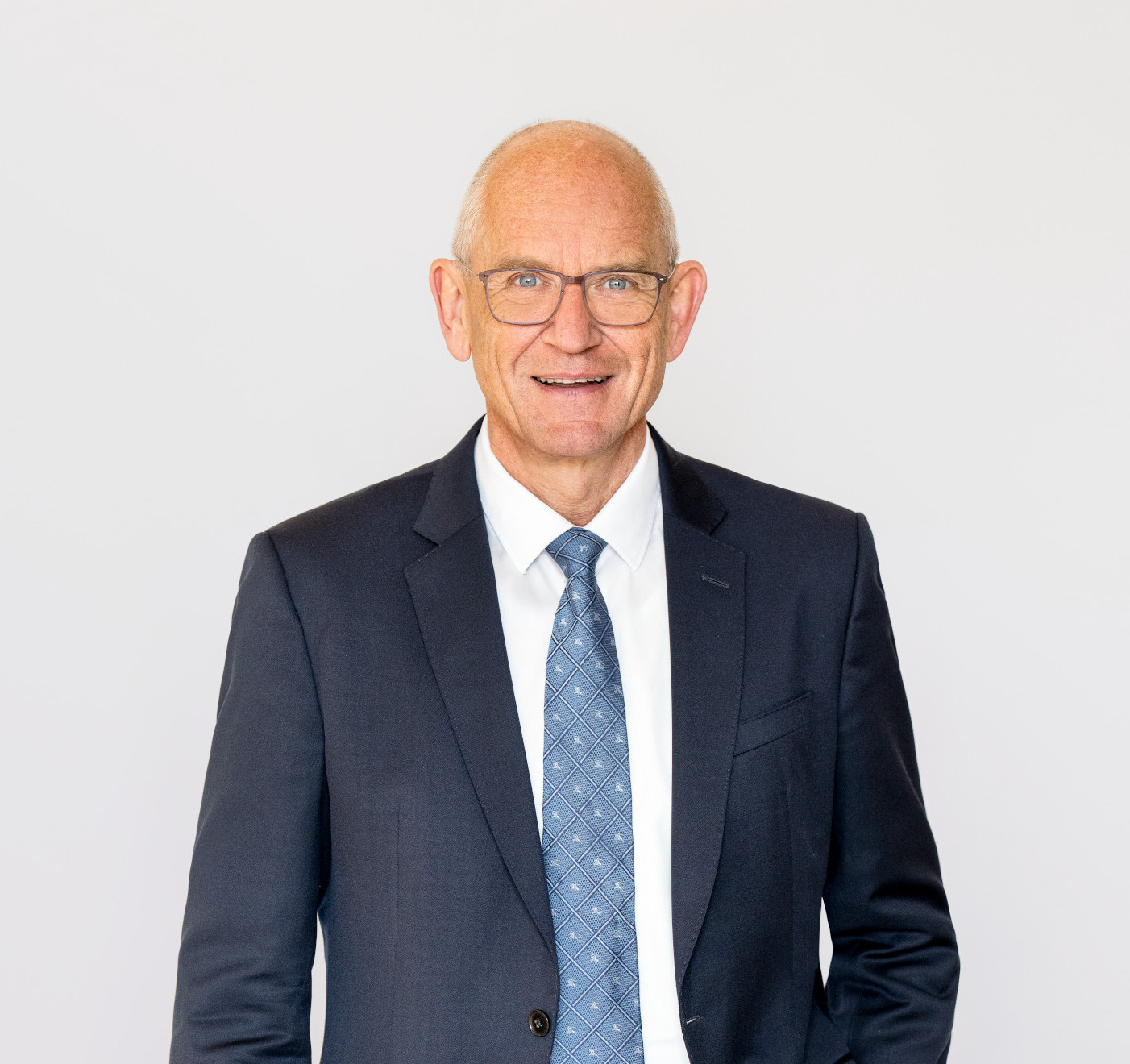
The ice bather
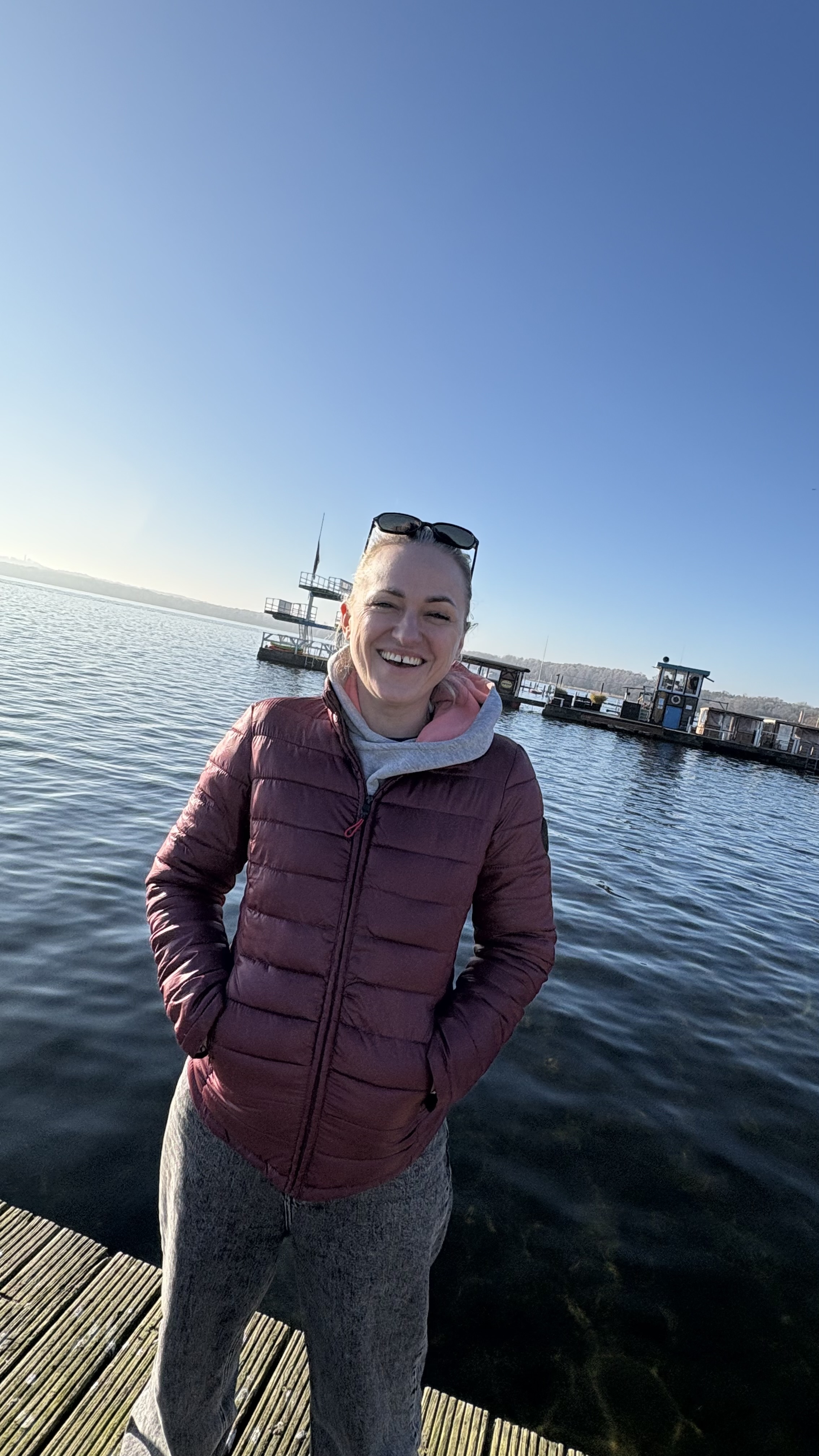
Maria Rabinowitsch often used to get cold, but now she likes to swim in glacial lakes, bathe in ice barrels or sit under freezing cold waterfalls.

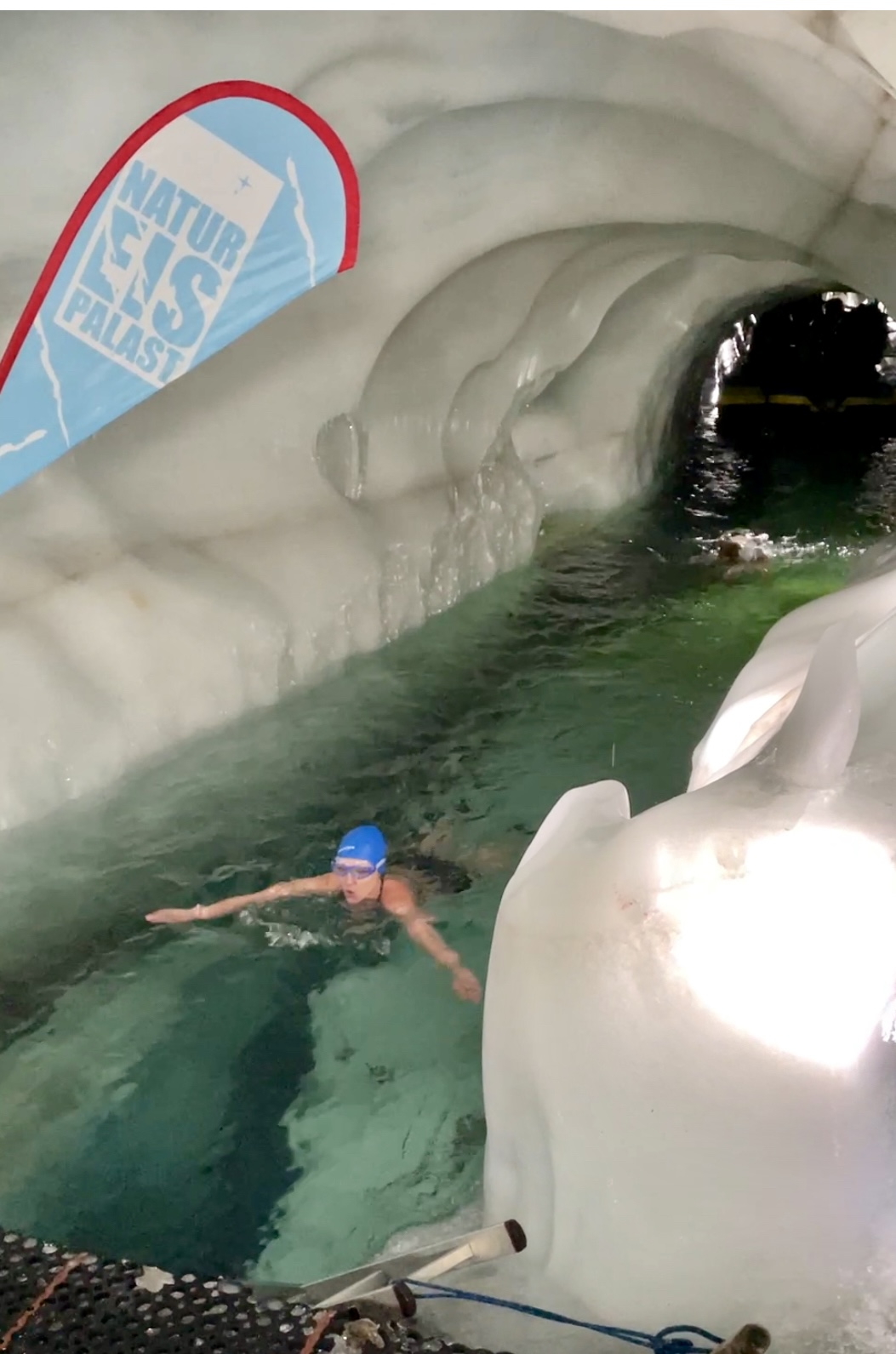
Picture the scene: Maria is standing in an ice cave at the edge of a subterranean glacial lake in Austria’s Zillertal. She says: “It’s going to be cold. I can do it. I want to do it.” Then she climbs into the sub-zero water and swims. This feat can be admired in a TV documentary called “Breathe Your Life”, a film about the power of breathing. “If you had told me a few years ago that I would end up doing that, I would have laughed in your face,” says the 43-year-old. After all, she used to be one of those people who get cold very quickly and need warm socks to keep their feet from freezing. These days, she throws herself into glacial lakes for the sheer joy of it. But the path that culminated in cold water swimming began with some personal events that abruptly changed her life. “In the seventh month of my second pregnancy, I separated from my then husband. Shortly afterwards, my best friend died. Then came coronavirus. It was all too much. At some point I realised that I would have to do something for myself,” Maria recalls. But what?
It helped me a lot to rationally understand what was happening in my body – the interplay between breathing and the cold and the body’s reactions to it. Since I started regularly taking ice baths, I haven’t really been ill.
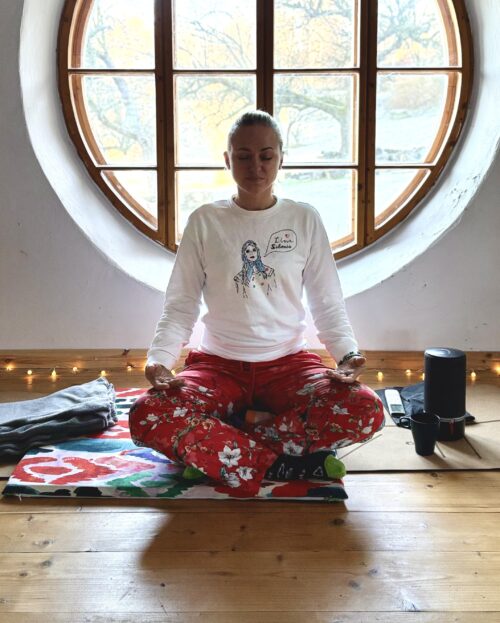
She has always been sporty, but meditation has never been her thing. She has no truck with esotericism or lifestyle trends. Three years ago, an old friend told her on the phone about the Wim Hof method. The Dutchman, who has over three million subscribers on YouTube, combines three elements: special breathing techniques, cold stimuli such as ice baths and mental focus. The aim is to find ways to cope better with stress and increase well-being. Maria was initially sceptical: “I grew up in a science-dominated home. For me, it’s facts that count.” But her friend gave her the number of Berlin-based Wim Hof instructor Daniel Ruppert anyway. A week later, she picked up the phone to him. Two weeks after that, she found herself sitting in a barrel of icy water. “It helped me a lot to rationally understand what was happening in my body – the interplay between breathing and the cold and the body’s reactions to it. Since I started regularly taking ice baths, I haven’t really been ill.”
Maria knows how positive change can be – and what previously unimagined powers it can unleash. Since 1 July 2024, she has been working as a consultant for change management and transformation at TÜV NORD EnSys. She supports the management within the Energy & Resources business unit by guiding executives and teams through changes, explaining them in readily understandable terms and addressing fears and concerns. “These changes might be the introduction of new software or the restructuring of entire corporate divisions,” she says by way of description of her wide-ranging work. “I’m very happy here at TÜV NORD. I appreciate the way we all cooperate so well and value the corporate culture.” She herself has followed her personal path of transformation with the help of the Wim Hof method and is convinced it was worth it. Today, she is better able to deal with stressful situations, more efficient and more focused.
I grew up in a science-dominated home. For me, it’s facts that count.
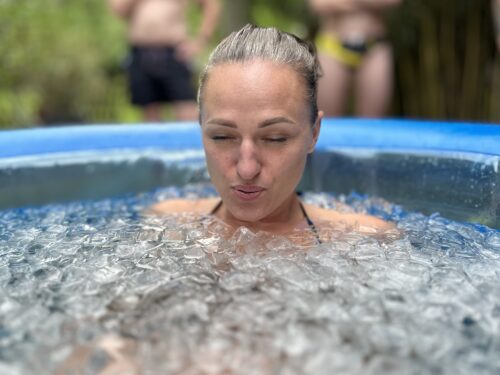
Ice baths are initially incredibly stressful for the body, so people with pre-existing conditions, especially cardiovascular complaints, shouldn’t climb into an ice barrel without consulting their doctor. “If you breathe properly, the stress diminishes each time you do it. What you are left with is a beautiful, peaceful state. And everything you need is within yourself. You don’t need equipment, prescriptions or substances,” says the 43-year-old. “Meditation can let you down because it’s really nothing more than a mental exercise. But I think this method works because it’s simply based on biochemical processes. Once the happiness hormones have been released, it’s impossible to sit there and moan.” And there’s another positive side effect: “You get to know interesting people at the workshops. People who are looking for peace and quiet and a break from all the hustle and bustle.”
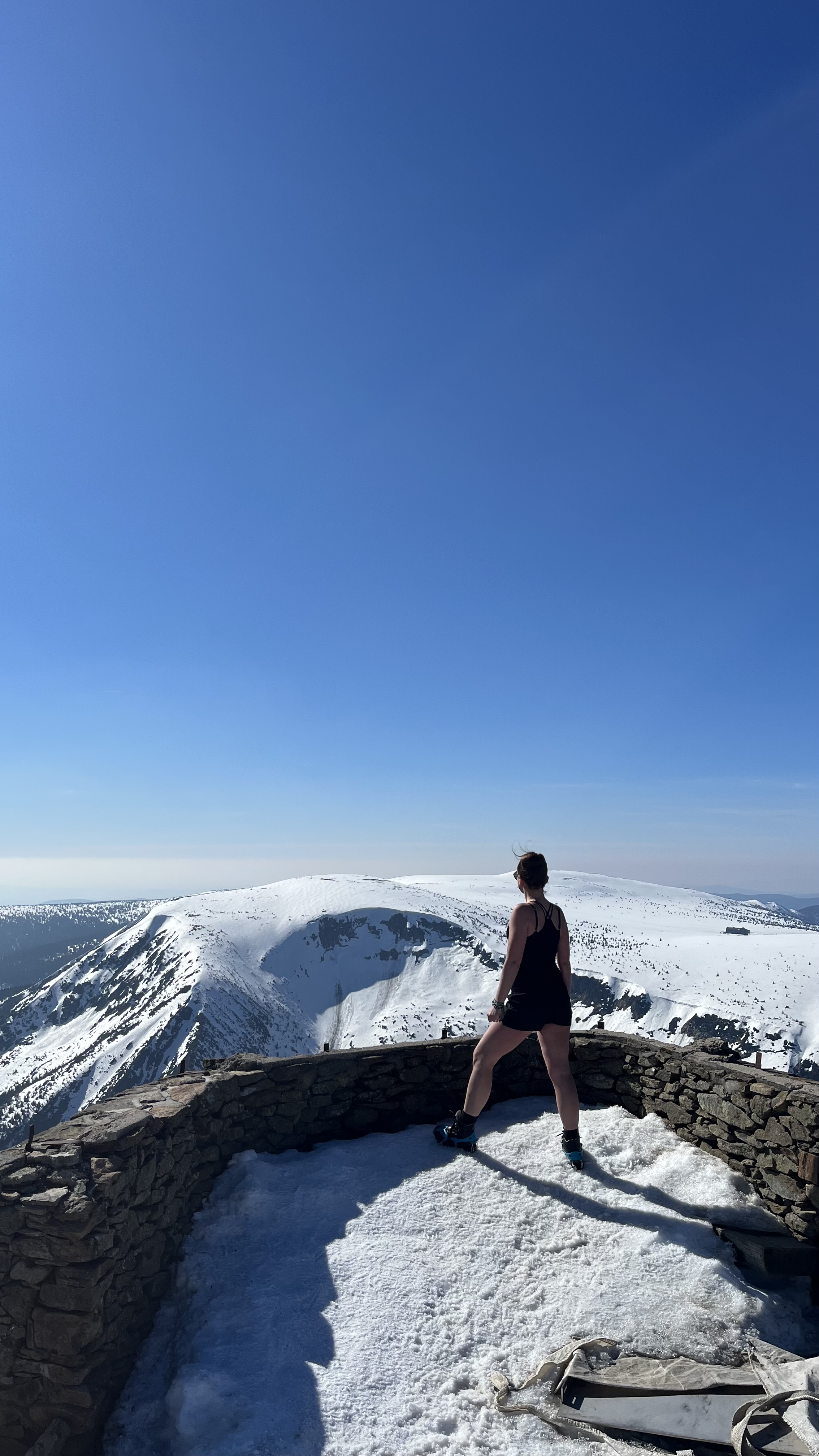
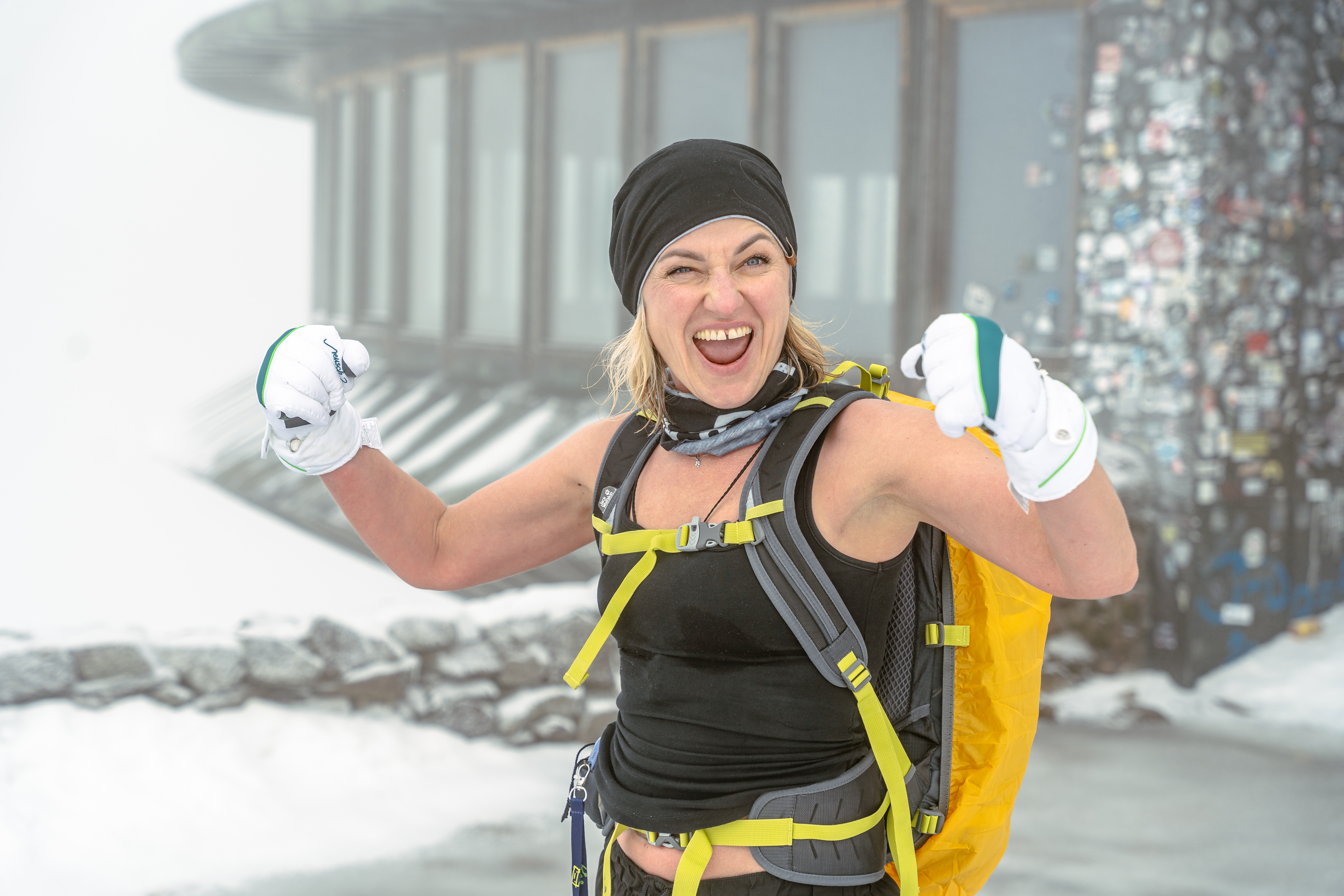
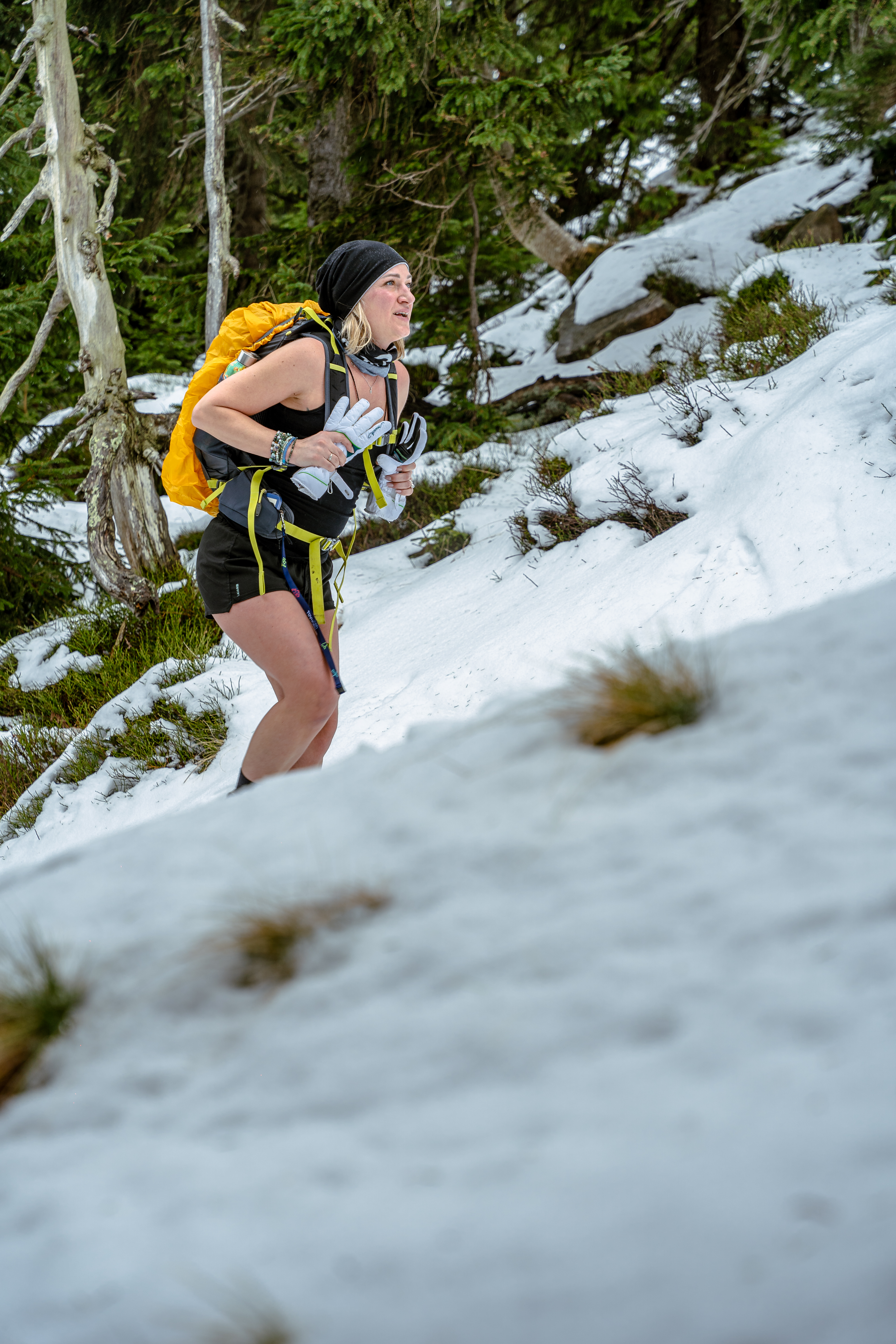
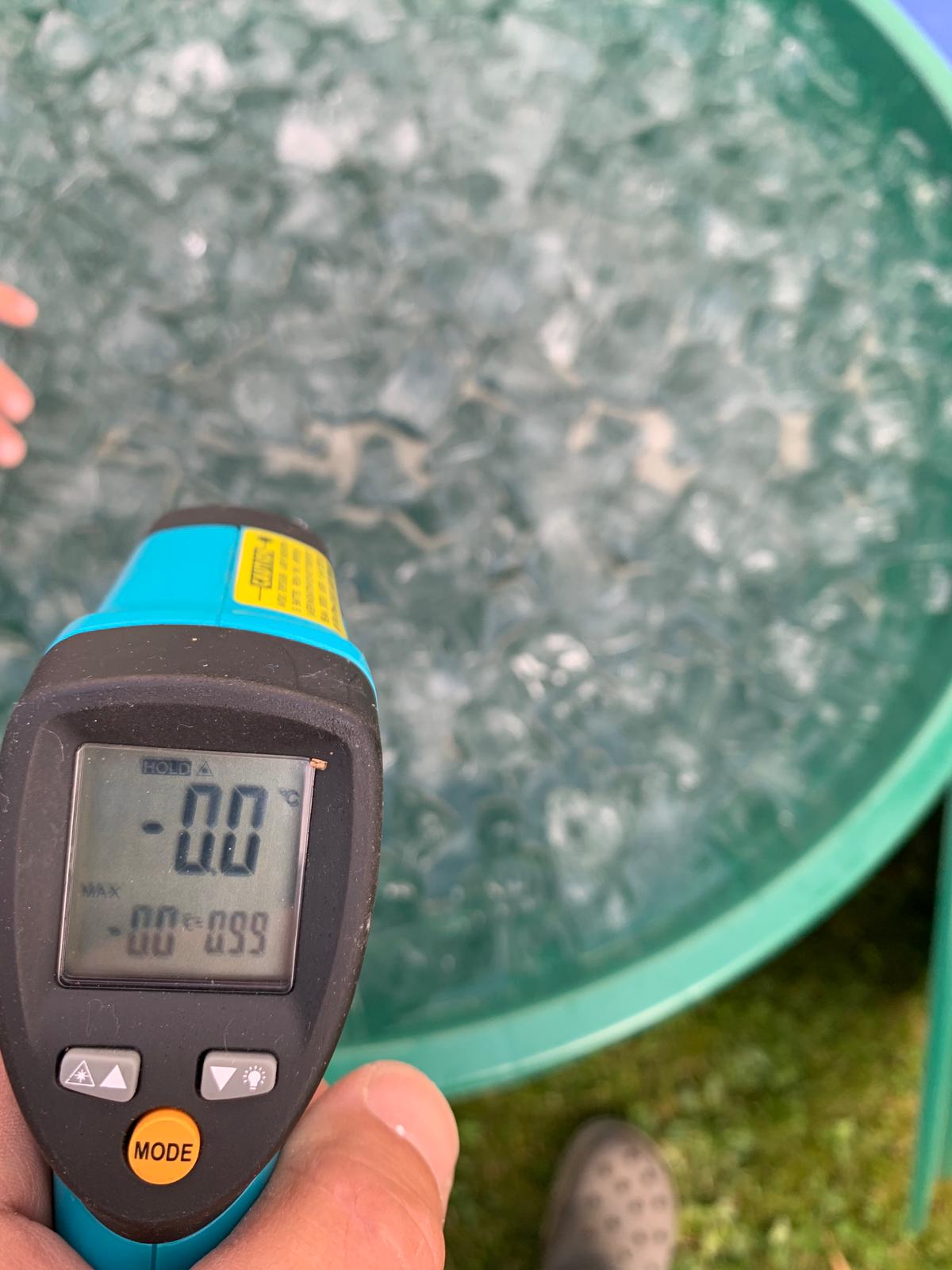
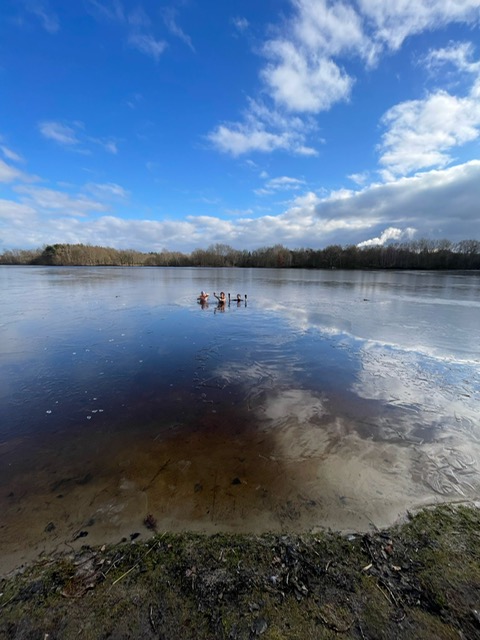
The change management expert regularly takes part in workshops and retreats, which involve trips to the glacier, for example. She has also sat in shorts in the snow on the summit of Sněžka in the Giant Mountains in the Czech Republic and under the ice-cold Ilse Falls in Germany’s Harz Mountains. Ice barrel bathing has become a cherished routine for her, and she will lower herself into icy water at least once a month, even in the summer. She can now also count on the support of comrades-in-arms from her family and circle of friends who join her in taking the icy plunge during the winter tyre season from October to Easter. “We pool our resources and order around 100 kilos of ice from a wholesaler,” says Maria and laughs: “You can’t get quantities like that from a supermarket freezer.”
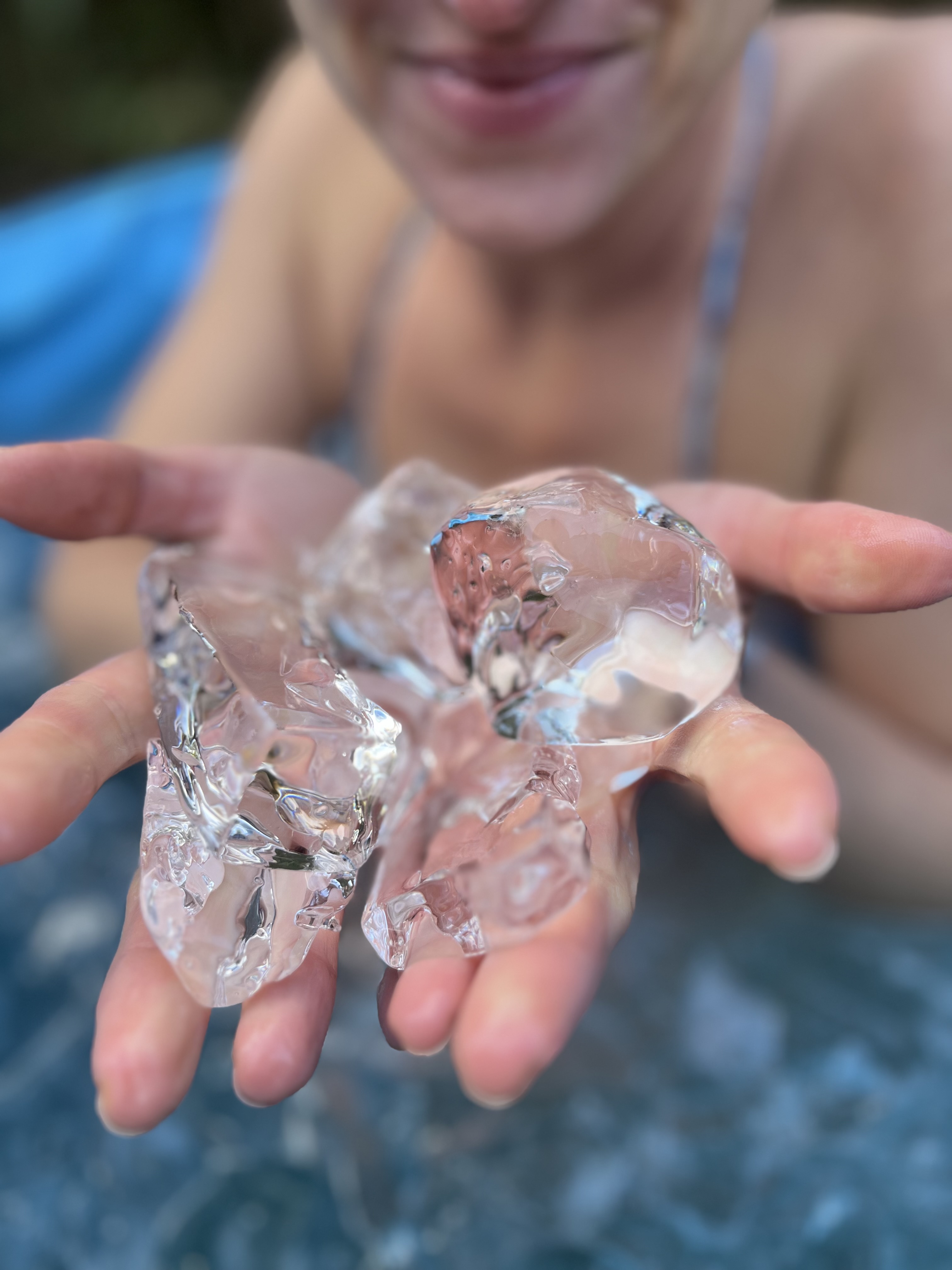
This winter, she is going to buy her very own ice barrel for the garden. “Ice baths promote discipline and self-efficacy as well as clearing your head.” But the cold is best experienced in a group: “Everyone is ready with a laugh – you don’t find miserable people sitting around in ice,” Maria says. Wouldn’t this be a good thing for team meetings in the TÜV NORD GROUP? She smiles. “I’m working on it. I’m going to find a way to get all my colleagues into the ice – you wait and see.”